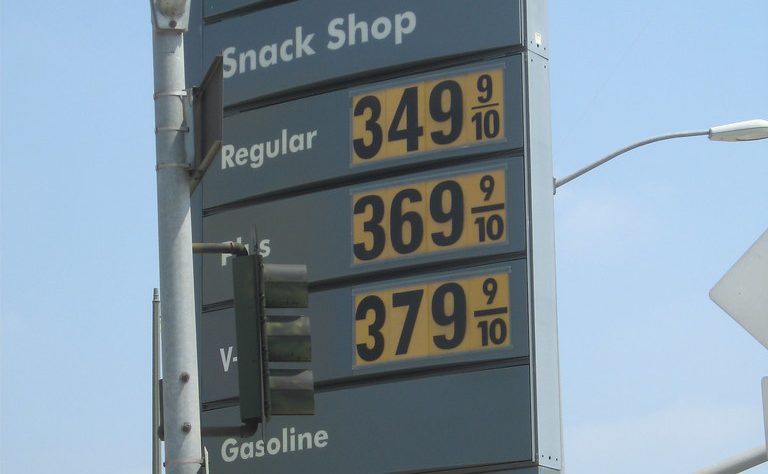
oil prices higher are driven by a hidden $40-per-barrel cost that is impacting global markets. This unexpected factor is causing concern among investors and consumers alike.
Understanding the Oil Market Dynamics
The global oil market is influenced by a myriad of factors that can drive prices higher, affecting consumers and economies alike. Understanding these dynamics is crucial for grasping why oil prices are currently on the rise.
One significant factor is the balance between supply and demand. When demand outpaces supply, prices tend to surge. Recently, a decrease in oil production from major exporting countries has contributed to this imbalance, leading to higher prices.
Another critical element is geopolitical tensions. Conflicts in oil-rich regions can disrupt supply chains, causing immediate spikes in oil prices. Additionally, natural disasters and regulatory changes can also impact production levels, further tightening the supply.
Furthermore, there is a hidden cost that often goes unaccounted for—approximately $40 per barrel. This cost reflects various factors, including environmental regulations, exploration expenditures, and infrastructure investments that companies must undertake to maintain production levels. As these costs rise, they are passed on to consumers, resulting in higher oil prices.
In summary, the interplay of supply and demand, geopolitical factors, and hidden costs are critical in understanding why oil prices are higher today. As consumers feel the effects at the pump, being informed about these underlying factors can provide insight into future trends in the oil market.
Factors Affecting Oil Prices
Several factors contribute to the recent trend of oil prices higher, impacting both consumers and industries worldwide. Understanding these elements is crucial for grasping the complexities of the oil market.
- Geopolitical Tensions: Ongoing conflicts and political instability in oil-producing regions often lead to supply disruptions. These tensions can trigger significant price fluctuations.
- Supply Chain Issues: The COVID-19 pandemic has exposed vulnerabilities in global supply chains. Delays and shortages in shipping and logistics can hinder oil distribution, driving prices up.
- OPEC Decisions: The Organization of the Petroleum Exporting Countries (OPEC) plays a pivotal role in regulating oil production. Decisions to cut or increase output can greatly influence market prices.
- Demand Recovery: As economies rebound post-pandemic, the surge in demand for oil has outpaced supply. This imbalance can lead to a spike in oil prices higher, impacting consumers at the pump.
- Environmental Regulations: Stricter regulations aimed at reducing carbon emissions can increase production costs for oil companies, which may be passed on to consumers in the form of higher prices.
Recognizing these factors is essential for understanding the implications of rising oil prices, especially as they affect everything from transportation costs to household expenses.
The Hidden Costs of Oil Production
The rise in oil prices is not solely attributed to supply and demand dynamics; there are hidden costs associated with oil production that significantly impact the market. These hidden costs, which can add up to as much as $40 per barrel, include various factors that often go unnoticed by consumers and investors. Understanding these costs is crucial for grasping the true nature of oil prices higher.
One major hidden cost is the environmental impact of oil extraction. The pollution generated during drilling and refining processes often leads to long-term damage to ecosystems, which can require substantial financial investments for remediation efforts. Additionally, companies may face regulatory fines and legal fees related to environmental violations.
Another factor contributing to hidden costs is the need for advanced technology and infrastructure. As easily accessible oil reserves dwindle, producers must invest in more complex extraction methods, such as fracking and deep-water drilling. These techniques are not only more expensive but also carry increased risks, leading to potential financial setbacks.
Moreover, geopolitical tensions and instability in oil-producing regions can drive up costs. Companies are often forced to navigate political risks, which can lead to higher insurance premiums and security measures. Understanding these hidden costs is essential for anyone looking to make informed decisions in the oil market.
Economic Impact on Consumers
The recent surge in oil prices has far-reaching implications for consumers, affecting everything from daily commuting costs to the prices of goods and services. As oil prices higher, consumers will likely feel the pinch in their wallets as transportation and production costs rise.
One of the most immediate impacts is seen at the gas pump. With oil prices climbing, many motorists are already paying significantly more for fuel, leading to increased household expenses. This rise can strain budgets, particularly for families reliant on their vehicles for work or school.
Moreover, higher oil prices have a ripple effect on various sectors:
- Transportation Costs: Freight and shipping companies often pass on increased fuel prices to consumers, resulting in higher prices for goods.
- Food Prices: Agricultural products rely heavily on transportation; as fuel costs rise, so do grocery prices.
- Heating and Electricity: Many households rely on oil for heating; thus, rising oil prices can lead to increased utility bills during colder months.
As consumers brace for the economic implications of oil prices higher, many are urged to consider budgeting strategies and alternatives to mitigate the financial burden. Awareness of these hidden costs is essential for navigating the complexities of the current economic landscape.
Future Predictions for Oil Prices
As analysts look toward the future, the outlook for oil prices higher remains a critical topic of discussion among economists and industry experts. Various factors contribute to the forecast, prompting concerns about both short-term fluctuations and long-term trends.
One major consideration is the ongoing geopolitical tensions that can disrupt supply chains, leading to unexpected spikes in oil prices. Furthermore, the transition to renewable energy sources may initially result in higher production costs, influencing market dynamics.
Experts predict several scenarios for the coming years:
- Increased Demand: As global economies recover from the pandemic, an uptick in demand for oil is anticipated, which could drive prices even higher.
- Inflationary Pressures: Rising inflation rates may lead to higher operational costs for oil production, further impacting pricing.
- Technological Advancements: Innovations in extraction and production technology could mitigate some costs, but the lag time for these advancements to affect prices remains uncertain.
- OPEC’s Influence: Decisions made by OPEC regarding oil production levels will continue to play a crucial role in determining price trends.
In light of these factors, consumers and businesses alike must brace themselves for a potential future where oil prices higher become a consistent reality, impacting everything from fuel costs to consumer goods.
Government Policies and Oil Pricing
Government policies play a significant role in determining oil prices and can often lead to unexpected increases that consumers may not immediately recognize. As oil prices higher affect everyday expenses, it is essential to understand how these policies shape the market.
One of the primary factors is the regulation of production levels by major oil-producing countries. For instance, agreements among OPEC (Organization of the Petroleum Exporting Countries) can lead to reduced output, which in turn drives prices up. Additionally, governments may impose sanctions on oil-exporting nations, further restricting supply and contributing to rising costs.
Moreover, environmental regulations intended to reduce carbon emissions can increase production costs for oil companies. These costs may eventually be passed down to consumers, making fuel more expensive. As a result, the hidden costs associated with these policies can be substantial, often amounting to an additional $40 per barrel, as highlighted in recent analyses.
Furthermore, subsidies for renewable energy sources can shift investment away from traditional oil production, creating volatility in the market and pushing prices higher. The complex interplay between government policy and oil pricing reveals the multifaceted nature of the industry, underscoring the importance of being aware of how these decisions influence what consumers pay at the pump.
In summary, understanding government policies is crucial for grasping the underlying reasons behind the current trends in oil prices and their long-term implications.
How to Navigate Rising Oil Costs
Navigating rising oil costs requires a multifaceted approach, particularly as oil prices higher can lead to unintended financial strains on consumers and businesses alike. Here are some strategies to consider:
- Stay Informed: Keeping track of global oil market trends and geopolitical events can provide insight into potential price shifts. Utilize reputable news sources and market reports to stay updated.
- Evaluate Your Consumption: Assessing personal and business oil consumption can highlight areas for reduction. Simple actions, such as carpooling or utilizing public transport, can significantly lower fuel expenses.
- Invest in Energy Efficiency: Consider upgrading to energy-efficient appliances and vehicles. Although the initial investment may seem high, the long-term savings on energy bills can offset rising oil prices.
- Explore Alternative Fuels: Research and consider alternative energy sources, such as electricity, solar, or biofuels. Diversifying energy sources can mitigate the impact of fluctuating oil prices.
- Budget Wisely: With the prospect of oil prices higher, it’s crucial to adjust your budget accordingly. Prioritizing essential expenses and cutting back on non-essentials can help maintain financial stability.
By adopting these strategies, individuals and businesses can better navigate the challenges posed by rising oil costs while mitigating their financial impact.
As oil prices higher continue to impact global markets, consumers are feeling the pinch at the pump. Furthermore, the ripple effects of oil prices higher can lead to increased costs for goods and services across various sectors.
By Sam Felder via Openverse
Where this came from
Crude Oil Prices Today | OilPrice.com
You might also like
Sensex Nifty Crash: The Real Reasons Behind Today’s Drop · Ethereum testnet launch delayed over security risks · Spotify AI music service: The Best Proven Strategy